

PixVerse V6 Image to Video

Animate one image into a 1–15 second clip that keeps its framing, with optional audio.

1-15sAudio1-65 creditsImage to Video

Creative Vision

Describe how the image should move: subject action, camera move, and sounds if audio is on.

0/5000

Video Parameters

5s
1s15s

Choose 1–15 seconds. Priced by the second.

540p is a good draft size; switch to 1080p for the final render.

Adds sound effects, ambience and speech. Costs more per second.

Production Cost
7
Credits Balance
Loading...

Cinema Preview

Ready for Production
Configure your settings and begin creating your cinematic masterpiece

Generation History0 records

Latest 10 records • Available 7 days

PixVerse V6 Image to Video

Upload one picture and PixVerse V6 animates it. The video opens on your image, keeps its aspect ratio and moves the way your prompt describes, for 1 to 15 seconds at up to 1080p. Add generated audio when the scene should be heard as well as seen.

Describe motion, not the picture — the model can already see what is in the image.

PixVerse V6

Animate a still with PixVerse V6

Your image fixes the look; the prompt supplies the movement.

Input

The image is the opening frame

PixVerse V6 treats the upload as the very first frame of the video, so products, faces, illustrations and landscapes start exactly as you supplied them. Anything that must stay recognisable should already be in the picture.

Framing

Framing comes from the picture

There is no aspect-ratio menu on this page because the output follows the image. A vertical photo gives a vertical video; a wide render gives a wide one. Crop the image before uploading if you need a different shape.

Use cases

Bring photos and artwork to life

Typical uses: a product photo that slowly rotates, a portrait that turns and smiles, a game concept that gets a camera fly-through, a family photo with gentle movement. Short 2–4 second runs are often enough for these.

Sound

Sound that matches the scene

Switch on Generate Audio to add ambience that fits the picture — waves for a beach, traffic for a street, a line of speech for a character. Mention the sound in the prompt so the model knows what to produce.

Review before your next run

Change one part of the input at a time so you can judge what helped.

1–15 seconds · 360p to 1080p
PixVerse V6

How to turn an image into a video

Upload, describe the movement, generate.

1
Step 1

Upload one image

Add a single JPEG, PNG or WebP file up to 20MB. Sharp, well-lit images with a clear subject animate best. This page accepts exactly one image; for a start and an end picture use V6 Transition instead.

2
Step 2

Describe what should move

Write the action and the camera: “She turns toward the window and smiles, slow push-in.” Skip describing colours and clothing that are already visible — spend the words on movement.

3
Step 3

Choose length and resolution

Set 1–15 seconds and 360p to 1080p, decide on audio, then check the credit cost and submit. Try a short low-resolution run first to confirm the motion before paying for the final size.

Auto-playing timeline

Review before your next run

Change one part of the input at a time so you can judge what helped.

1–15 seconds · 360p to 1080p
Made with PixVerse V6

From one frame to a moving shot

An original PixVerse V6 image-to-video result generated on Flow Veo 3 from the single input image shown below. The input is a frame from our own PixVerse V6 text-to-video sample.

Image to Video · 720p · audio5-second request

Tram rolling toward the camera
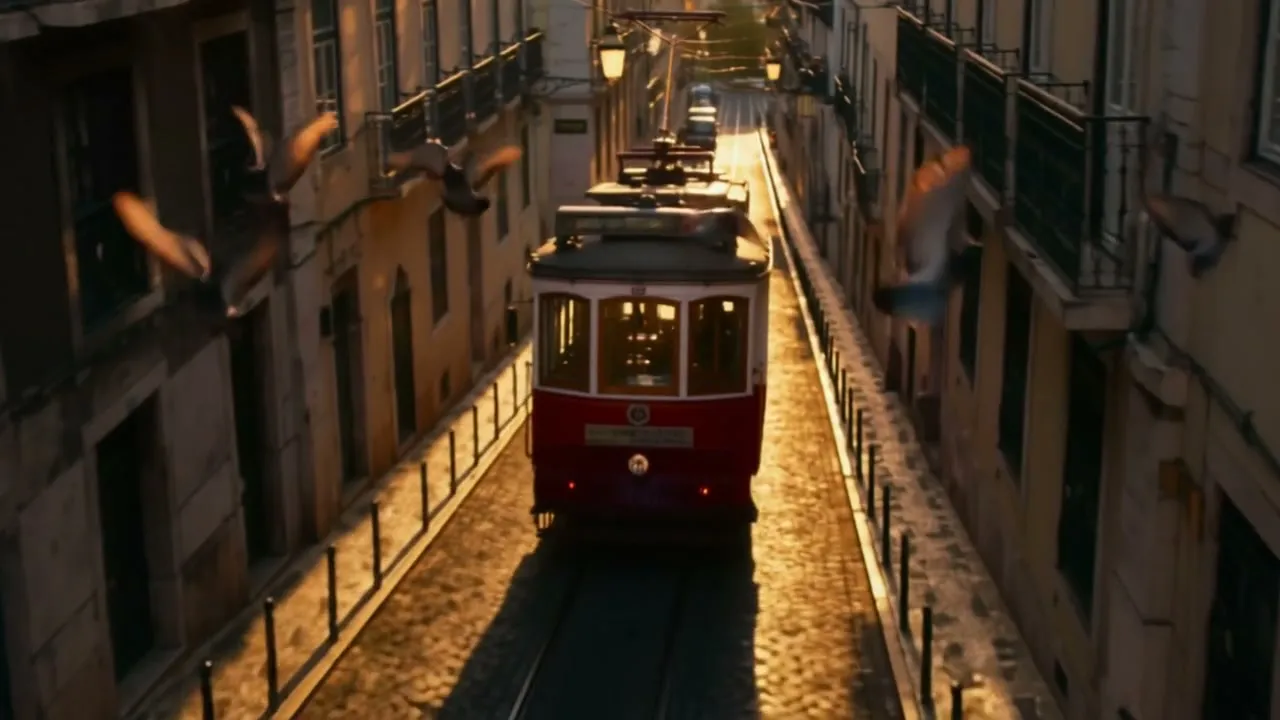
Aerial view of a red vintage tram on a narrow cobbled Lisbon street lined with pale buildings at golden hour, pigeons in flight
Input image

Prompt: The vintage red tram rolls downhill toward the camera along the narrow Lisbon street, pigeons sweep across the frame, the camera slowly descends to street level. Tram bell, rumbling wheels and fluttering wings.

PixVerse V6

PixVerse V6 Image to Video

FAQ

Answers about this workflow, inputs and output settings.

A sharp image with one clear subject and some space for it to move into. Heavy text overlays, collages and very low-resolution pictures tend to warp when animated.

Not on this page — it takes exactly one image as the opening frame. If you have a start picture and an end picture, the PixVerse V6 Transition page uses both.

The video keeps the aspect ratio of your image, so the setting is not needed. Crop or pad the image beforehand to change the shape of the result.

JPEG, PNG and WebP, up to 20MB. The file is uploaded when you add it and checked by our content moderation before a generation starts.

Not necessarily. Only the first frame is fixed; the model decides where the motion leads. To control the ending as well, supply a last frame on the Transition page.

Yes. Credits are held at submission and the hold is released automatically when a generation fails.

Animate your next image with PixVerse V6

Choose the workflow that matches your source material.