
Seedance 2.5 vs Veo 3.1: Which AI Video Model Wins?
Compare Seedance 2.5 vs Veo 3.1 for long scenes, realism, audio, API access, and creator workflows before choosing an AI video model.
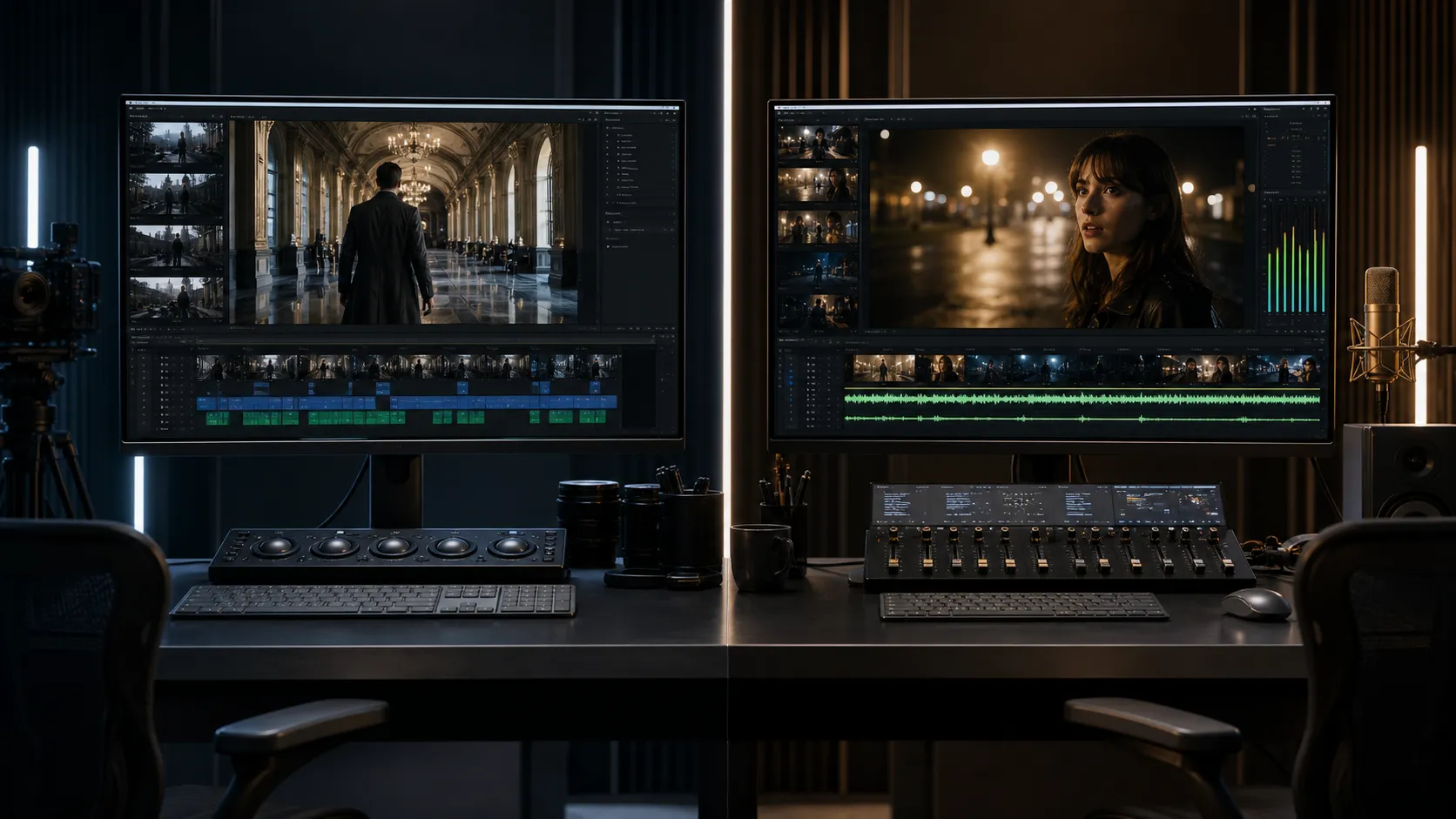
Seedance 2.5 vs Veo 3.1 is one of the most interesting AI video comparisons right now because the two models compete from different directions. Seedance 2.5 is attracting attention for reported native 30-second generation, while Google's Veo 3.1 is documented around high-fidelity video, native audio, cinematic control, and API access.
If you want to test a polished Veo-style workflow while you compare the market, start with the Veo 3 video generator. It is the most relevant FlowVeo3 entry point for turning prompts, visual direction, and creator-ready settings into AI video experiments.
One important caveat: Veo 3.1 has official Google documentation through the Gemini API, Google Flow, and Google AI Studio. Seedance 2.5 details are newer and mostly based on public reporting rather than a complete public API reference. Treat Seedance 2.5 availability, pricing, and exact limits as moving parts until ByteDance publishes final developer documentation.
Quick Verdict
If your main goal is a longer continuous shot, Seedance 2.5 is the model to watch. Reports around the model focus on native 30-second video generation, which could matter for narrative scenes, product demos, music visuals, and social ads.
If your main goal is dependable cinematic quality, realistic motion, native audio, and a clearer developer path, Veo 3.1 is the safer choice today. Google describes Veo 3.1 as a state-of-the-art video model for high-fidelity 8-second videos at 720p, 1080p, or 4K, with natively generated audio and strong realism.
The practical answer is not "one model wins everything." Seedance 2.5 may be better for long-scene experimentation. Veo 3.1 is currently better for production planning, API workflows, and creators who need a clearer feature surface.
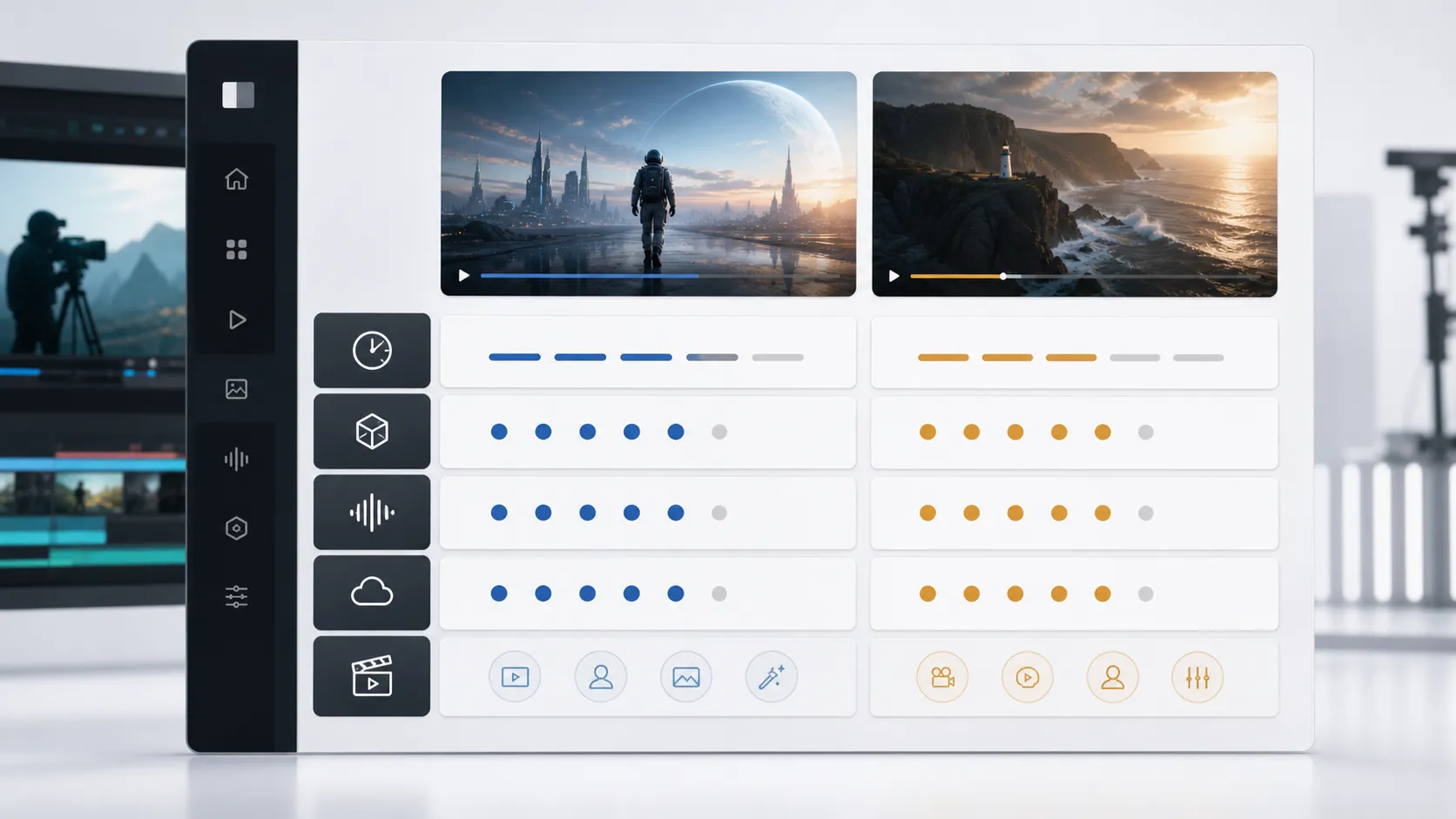
Seedance 2.5 vs Veo 3.1 at a Glance
| Category | Seedance 2.5 | Veo 3.1 |
|---|---|---|
| Best-known advantage | Reported native 30-second generation | Native audio, realism, API access, cinematic control |
| Public documentation | Limited public model details so far | Official Gemini API and Google Flow documentation |
| Video length signal | Reported 30-second single generations | Official docs describe 8-second clips in the Gemini API |
| Audio | Not yet fully clear from public technical docs | Native synchronized audio is a core selling point |
| Developer readiness | Watch for official API availability | Available through Gemini API paid preview and Google tooling |
| Best for | Long scenes, early testing, narrative experiments | High-fidelity clips, audio-video storytelling, API workflows |
What Is Seedance 2.5?
Seedance is ByteDance's AI video model family. Seedance 2.0 was positioned around multimodal creation, motion stability, and audio-video generation. Seedance 2.5 appears to be the next step, with the headline feature being longer native video output.
The most important reported detail is 30-second generation without stitching separate clips together. If that holds up in public tools and APIs, it would matter for short ads, character scenes, product reveals, music visuals, and lifestyle clips that need setup, action, and payoff in one pass. The open question is consistency: longer duration is valuable only if subject identity, motion, camera logic, and scene continuity remain stable.
What Is Veo 3.1?
Veo 3.1 is Google's updated AI video model line available through Google products and developer surfaces. Google describes it as capable of generating high-fidelity video with natively generated audio, with access through the Gemini API, Google AI Studio, Vertex AI, the Gemini app, and Flow depending on product and region.
Google's own materials emphasize richer audio, better narrative control, enhanced realism, prompt adherence, and improved image-to-video quality. In practical terms, Veo 3.1 is about making a clip feel directed: how the camera moves, how the scene behaves, and how the audio matches the visual moment.
For creators, that makes Veo 3.1 especially useful when the video needs to feel like a finished shot rather than a raw experiment. If resolution matters, FlowVeo3 also has focused entry points for a 1080p AI video generator and a 4K AI video generator.
The Biggest Difference: Duration vs Production Control
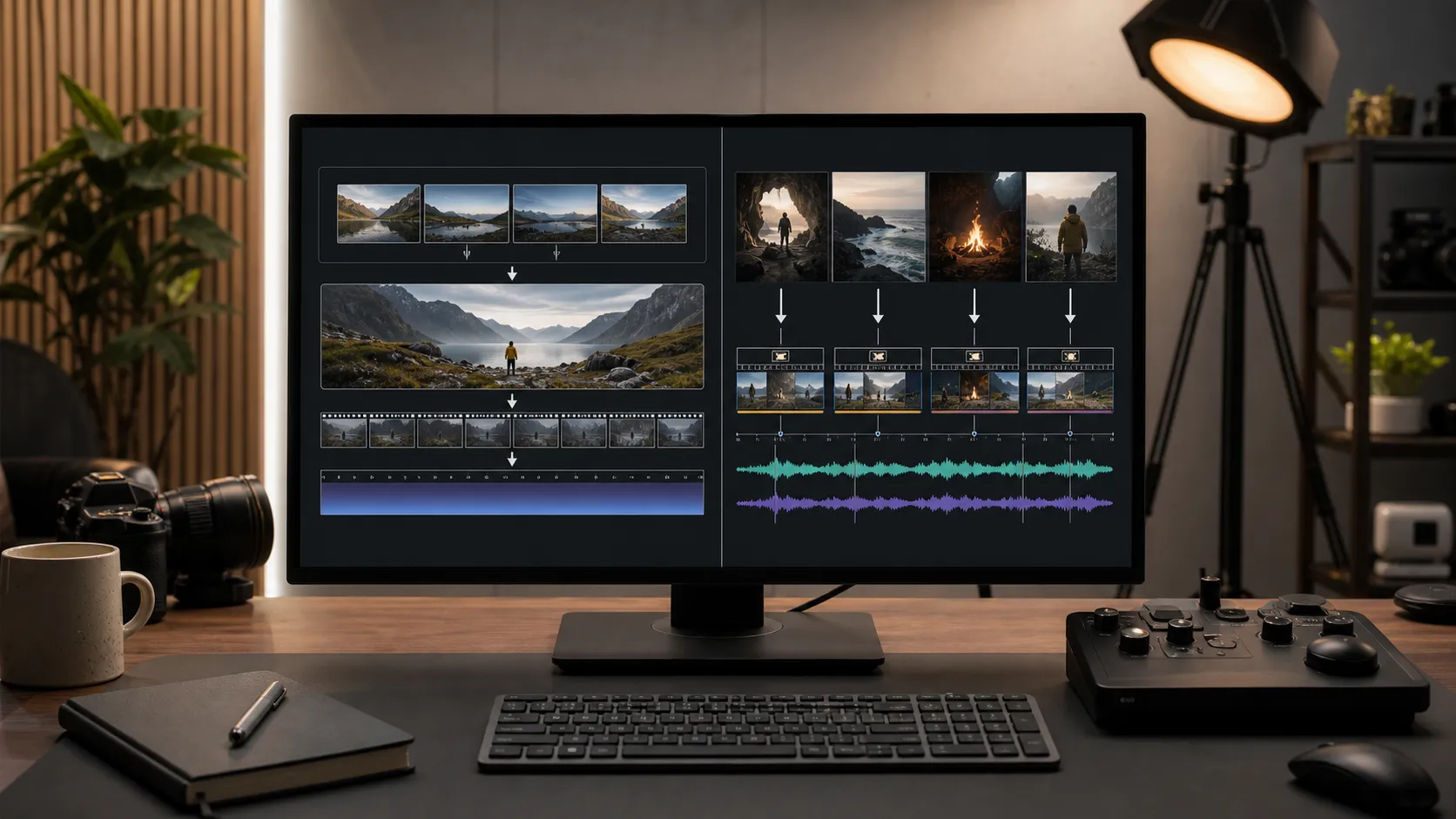
The cleanest way to understand this comparison is to separate duration from production control. Seedance 2.5's most exciting promise is time: a 30-second native generation could let a creator describe a complete mini-scene without breaking it into pieces. That matters because stitched AI clips often create continuity problems.
Veo 3.1's strongest public position is control and polish. Its documented strengths are native audio, cinematic realism, prompt adherence, and developer access. It may generate shorter clips in the official Gemini API flow, but those clips can be highly usable when the shot is designed around the time limit.
So the decision becomes:
- Choose Seedance 2.5 when the shot needs time.
- Choose Veo 3.1 when the shot needs polish, sound, and reliable workflow integration.
That distinction is more useful than asking which model is "more advanced." A 30-second inconsistent video may be less useful than an 8-second polished shot with synchronized audio, while a beautiful 8-second clip may be too short for a complete product demonstration.
Realism and Motion
Veo 3.1 has a strong public reputation for realism because Google has explicitly positioned Veo around physics, prompt adherence, high-fidelity output, and cinematic styles. For brand clips, product ads, environmental scenes, and film-like establishing shots, that gives Veo 3.1 an immediate trust advantage.
Seedance 2.5 could become very competitive if its longer generations preserve temporal consistency. The challenge is that motion realism becomes harder as duration increases: the model has to keep the same subject, scene geometry, camera intent, lighting, and action logic coherent for more frames. Test both models with ordinary stress cases, such as a person picking up an object, a product rotating on a table, or a car moving through a reflective street.
Audio and Sound Design
This is one of Veo 3.1's clearest advantages today. Google's official Veo 3.1 messaging repeatedly highlights native audio, including synchronized effects, ambience, and speech-like moments depending on the product surface and policy limits.
For creators, native audio reduces editing friction. A prompt can describe not just what the camera sees, but what the scene should feel like: room tone, footsteps, a mechanical hum, crowd noise, or a dramatic impact. Seedance 2.5 may also be part of a broader multimodal direction from ByteDance, but Veo 3.1 has the clearer publicly documented audio story right now.
API Access and Developer Workflow
For developers, Veo 3.1 is currently easier to evaluate because Google provides official Gemini API documentation. That matters if you are building a product, automating creative production, or connecting video generation to user accounts, credits, queues, webhooks, and moderation.
A developer-friendly AI video model needs more than good outputs. It needs clear model IDs, parameter documentation, predictable generation length, pricing guidance, content policy behavior, async status handling, and stable availability. Veo 3.1 has a clearer path across those categories. Seedance 2.5 may become more compelling once official API details are available, but for now it is harder to plan a production integration around it.
Which Model Should Creators Choose?
Choose Seedance 2.5 if you are experimenting with long-form AI video shots and want to see whether a single generation can replace stitched clip sequences. It is especially interesting for story scenes, fashion videos, music visuals, brand ads, or product demos where 30 seconds can carry a complete idea.
Choose Veo 3.1 if you want a more established workflow for realistic, cinematic clips with audio. It is the better choice for teams that need a clearer developer path, better documentation, and a more predictable production process.
Choose both if you are building a serious AI video workflow. Use Seedance 2.5 to explore long-scene concepts. Use Veo 3.1 to produce polished short clips, audio-backed scenes, and production-ready experiments.
Prompting Tips for a Fair Test
To compare Seedance 2.5 vs Veo 3.1 fairly, avoid vague prompts like "a cinematic video of a city." Use controlled prompts that include subject, action, camera movement, environment, duration intent, and audio intent.
Example:
A cinematic product shot of a matte black electric bike under a glass bus stop at night. The camera starts close on raindrops, pulls back to reveal the full bike, then tracks as the headlight turns on and reflects on wet pavement. Soft city traffic, realistic lighting, smooth motion, premium commercial style.
For Seedance 2.5, watch whether the bike, reflections, and camera path stay consistent across the full duration. For Veo 3.1, watch whether the shot feels polished, whether the audio supports the scene, and whether the model follows the camera direction.
Final Recommendation
Seedance 2.5 is the more exciting model to watch if its reported 30-second native generation becomes widely available and technically consistent. It could solve one of the biggest pain points in AI video: building longer scenes without visible stitching.
Veo 3.1 is the stronger practical choice today for creators and developers who need clearer documentation, native audio, strong realism, and production-ready workflows. It may not win the duration headline, but it wins on current reliability and ecosystem maturity.
For most creators, the best answer is to test both with the same prompts. Use Seedance 2.5 to explore longer narrative structure. Use Veo 3.1 when you need a cinematic clip with controlled visual direction and sound. To start with a low-friction workflow, try the free AI video generator, then move into the Veo 3 video generator with a repeatable prompt test set.
FAQ
Is Seedance 2.5 better than Veo 3.1?
Not across every category. Seedance 2.5 may be better for longer native scenes if the reported 30-second capability is available in your workflow. Veo 3.1 is better documented and stronger for audio, realism, and developer access.
Does Veo 3.1 support audio?
Yes. Google describes Veo 3.1 as supporting natively generated audio, with improvements around richer audio, sound effects, and audiovisual quality depending on the product surface.
Does Seedance 2.5 generate 30-second videos?
Public reporting says Seedance 2.5 is expected to support native 30-second generation. Until full official documentation is available, creators should verify the exact limit in the tool or API they are using.
Which model is better for developers?
Veo 3.1 is the safer developer choice today because Google provides official Gemini API documentation. Seedance 2.5 could become competitive for developers once ByteDance publishes clear API access, parameters, pricing, and output details.